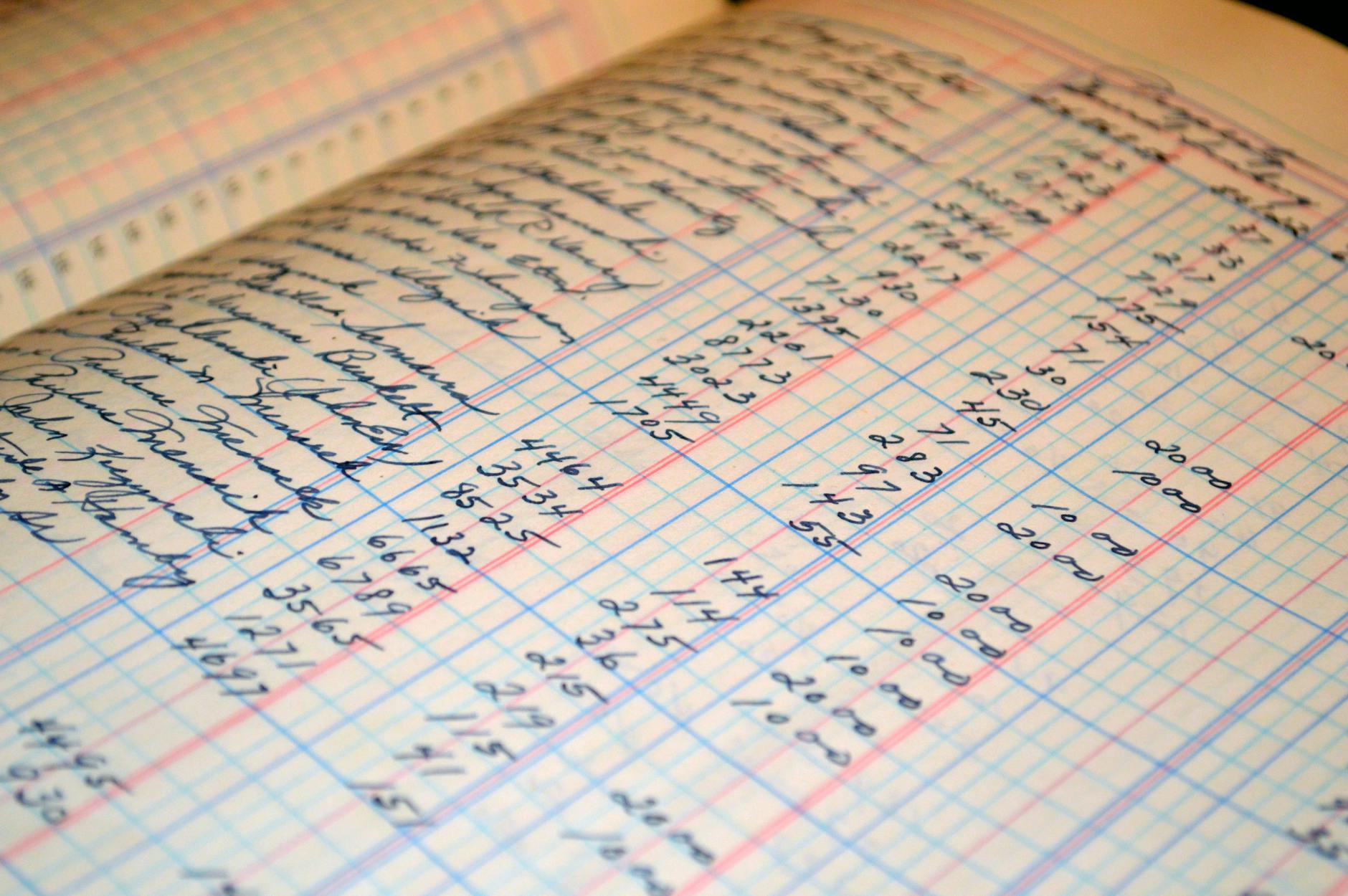
Public-domain historical records
Trace the ancestors the record books tried to erase.
Search 86,000+ real Dawes Rolls enrollees plus guided links into fifteen additional archives — including Cherokee Freedmen rolls, Indian Population Schedules, the Virginia Racial Integrity Act registers, and more — with plain-language context and flags where a person's racial or tribal classification shifted over time.
How it works
No genealogy expertise required — we explain every record in plain language.
Search one name
Enter a surname (spelling variants handled automatically). Add a first name, state, or year to narrow it down.
Read across sixteen archives
See matches grouped by source — from the Dawes Rolls and Cherokee Freedmen rolls to Indian Population Schedules, draft cards, and the Virginia reclassification registers.
Spot the reclassifications
We flag when the same person was recorded under shifting racial or tribal categories over time — with the history behind it.

Reclassified: when the paperwork changed who you were
During the allotment era, the same family could be labeled “Indian” in one census, “Mulatto” in the next, and “Freedman” on the Dawes Rolls — decisions that determined land, rights, and identity. Rapid Ancestry surfaces these shifts and explains the history behind them, so you can see the paper trail for what it was.
Nancy Gaines — try searching “Gaines” above.
What we search
Sixteen public-domain collections, every result links back to the original archive so you can verify it yourself.
Cherokee Rolls
- Old Settler Roll (Drennen Roll, 1851–1852)
- Guion Miller Roll
- Wallace Roll & Hester Roll (Cherokee Freedmen)
Freedmen Records
- Freedmen's Bureau Records
- Freedmen's Savings Bank Records (1865–1874)
- Chickasaw Freedmen Enrollment Cards
- Southern Claims Commission Records
Census & Population Schedules
- U.S. Federal Census
- Indian Population Schedules (1900–1930)
- Miller Roll (Mississippi Choctaw)
Vital Records & Reclassification
- Dawes Rolls
- Baker Roll
- Indian Census
- Virginia Racial Integrity Act Registers & Bureau of Vital Statistics Correspondence
Military & Identity Records
- WWI & WWII Draft Registration Cards
- Social Security Applications (SS-5) & Death Index
Oral Histories
- WPA Slave Narratives (Federal Writers' Project) — searchable first-person accounts, linked where a narrator's family name matches your search
Explore each collection in plain language
A note on interpretation. Rapid Ancestry indexes transcribed metadata from sixteen verified public-domain collections (primarily the U.S. National Archives, Library of Congress, and state vital-records offices). Results are historical record matches, not definitive proof of lineage or tribal citizenship. We never scrape paid genealogy platforms. Always verify a match against the linked original archive.
About the Virginia registers. The Virginia Racial Integrity Act registers and Walter Plecker's Bureau of Vital Statistics correspondence document Virginia's 20th-century policy of reclassifying Native people as “colored” on official records. They are included as a primary source for understanding how official reclassification happened — not as an endorsement of the policy.